- Closing dip or gauge reading of each tank, in litresTarget: a reading for every tank
- Daily variance of each tank: measured stock minus book stockTarget: inside the tank's normal range · Critical
- Water at the bottom of each tank, by water-finding paste or gaugeTarget: no water found · Critical
- Month-to-date variance as a percent of sales, against the tank's normalTarget: within 0.1 points of normal · Critical
- Active alarms on the tank gauge consoleTarget: 0
The checklist said 100%. The safety audit still failed.
Scout texts each forecourt and store task to your crew and checks the proof they send back.
30 minutes. You see Scout run a station like yours.
Running in 1,620 locations.Now built for your stations.
See the proofWhat Scout does
Scout texts the task and checks the photo.Then follows up until it's fixed.
- No safety walks ticked from memory
- No wet stock loss found a week late
- No surprises on audit day
Starts with a 30-minute call.
Example playbook · Fuel and convenience
Every checklist lives somewhere.Pick an area.
38 checklists and 301 checks for one station, written the way Scout runs them: an owner, a time, a target and a fix. Pick an area to read what gets checked there.
An example, developed from public information collected from the internet. Yours is built from your own SOPs, with your targets, your owners and your fixes.
Built from 15 public sources
- Wetstock Reconciliation at Fuel Storage Facilities: An Operator's GuideHealth and Safety Authority (Ireland)
- Unloading petrol from road tankers (L133), Approved Code of PracticeHealth and Safety Executive (UK)
- Dispensing petrol as a fuel: health and safety guidance for employees (INDG216)Health and Safety Executive (UK)
- A guide to service station owners managing UPSS systems (with EPA Victoria operator task table)Riverina and Murray Joint Organisation (NSW)
- DOE Department Circular DC2003-11-010: rules for retailing liquid petroleum productsDepartment of Energy (Philippines), hosted by Asia Pacific Energy Portal
- Schedule of Preventative Maintenance for PFS Vapour Recovery SystemsHuntingdonshire District Council (UK)
- Guidance on the storage of liquefied petroleum gas in cylindersGovernment of Jersey, Health and Safety at Work Inspectorate
- Pollution prevention for businessesGOV.UK (Environment Agency)
- Good Food Safety PracticesSingapore Food Agency
- Underage sales (business guidance)Business Companion (Chartered Trading Standards Institute)
- Robbery and violence in the retail industry: guide 2002WorkCover NSW, hosted by ASU Center for Problem-Oriented Policing
- Fuel Station Inspection Checklist (60-point template)Taqtics
- Gas station inspection checklist: safety and complianceMiratag
- Convenience store restroom hourly cleaning inspectionMangoApps
- Daily preventative maintenance, part 1Sonny's The CarWash Factory (blog)
Read for this example and rewritten in our own words. None of these organisations endorses Scout.
Skills
Sixteen jobs Scout does.Turn on one. Add more later.
Each job is called a skill. Turn one on and every station is doing it the next morning.
We show the skills that fit your stations first.
How you start
Up and running in three weeks.On the phones your crew already has.
Week 1
Send your staff list and SOPs
Tell us which stations go first. That is the whole setup on your side.
Week 2
Scout builds your playbook
Your manuals become checklists with an owner, a time, a target and a fix. You approve them.
Week 3
Scout goes live
Your crew gets tasks by chat, on the phone they already carry. Nothing to install.
- Works in WhatsApp, Slack, Teams or the Depoint app
- Runs next to your POS and head office systems
- SOC 2 and ISO 27001 compliant
The call ends with a plan for your first stations.
The whole playbook · Fuel and convenience
All 38 station checklists.Open. Read them.
Every checklist a station runs. Pick an area. The first five checks of each are here, the rest we open on the call.
Tank farm and fill points6 checklists · 49 checks
- Ullage of each receiving tank, measured just before the deliveryTarget: above the compartment volume · Critical
- Ullage for each tank written down and agreed with the driverTarget: Yes · Critical
- Grade on the delivery note against the label on each fill pointTarget: Yes, for every compartment · Critical
- Photo of the fill area: cones, extinguisher and absorbent set outTarget: All 3 in place before hoses connect · Critical
- Seal numbers on the tanker compartments against the delivery noteTarget: All seals intact and matching
- Leaks at any hose, coupling or joint during unloadingTarget: 0 · Critical
- Compartments unloading at the same timeTarget: 2 or fewer
- Minutes waited after unloading before the closing dipTarget: 5 minutes or more
- Closing dip minus opening dip against litres on the delivery ticketTarget: inside the usual delivery variance
- Photo of the fill points after the tanker leavesTarget: Caps locked, covers back, no fuel
- Water depth in each tank by paste, against last week's readingTarget: no water, or no rise · Critical
- Tank pit observation wells with a fuel smell or a sheenTarget: 0 · Critical
- Vent pipes that are blocked, bent or have items stored at the baseTarget: 0
- Tank manhole chambers with liquid insideTarget: 0
- Dipstick markings readable along the full length, tip not wornTarget: Yes
- Monthly variance of each tank against its normal for this monthTarget: within 0.1 points of normal · Critical
- Rise in average daily loss per tank against its normal, in litresTarget: under 10 litres a day · Critical
- Rise in the month's loss per tank against its normal, in litresTarget: 300 litres or less
- Loss monitoring report read, each fail or unclear result followed upTarget: Yes
- Dispensers reported as losing prime this monthTarget: 0
- Dips, deliveries and sales rechecked for errors since the variance beganTarget: Yes
- Dispensers or tank manholes with visible signs of leakageTarget: 0 · Critical
- Area manager and the licensing authority told of the suspected leakTarget: Yes · Critical
- Tightness test run on the gauge or booked for the suspect tankTarget: Yes · Critical
- Line leak detectors and sump sensors tested and workingTarget: Yes
Back room and stock3 checklists · 23 checks
- Temperature of chilled goods at the door, by probeTarget: at or below 4°C · Critical
- Cigarette cartons counted against the invoice, in front of the driverTarget: exact match · Critical
- Temperature of frozen goods at the doorTarget: -18°C or colder
- Cases counted against the invoiceTarget: matches the invoice
- Items in the delivery already past their dateTarget: 0
- Photo of the LPG cylinder cage with the door shutTarget: Locked, every cylinder upright · Critical
- LPG cylinders counted against the stock sheetTarget: matches the sheet
- Cylinders with a gas smell, a dent or a missing valve capTarget: 0 · Critical
- Smoking or any other ignition source within 1 m of the cageTarget: No · Critical
- Rubbish, pallets, weeds or flammable goods within 3 m of the cageTarget: No
- Photo of the fire exit and the electrical panelTarget: Nothing stored in front of either · Critical
- Tobacco stock cabinet locked, key with the shift supervisorTarget: Yes
- Back door locked, opened only for a deliveryTarget: Yes
- Cleaning chemicals with no label or stored beside foodTarget: 0
- Leaking bottles of motor oil, coolant or screen wash on the racksTarget: 0
Office and safe4 checklists · 32 checks
- Closing meter reading for every nozzle, signed by both supervisorsTarget: all nozzles, 2 signatures · Critical
- Cash counted in each till against the shift reportTarget: no difference · Critical
- Litres sold by meter against litres on the shift till report, per gradeTarget: litres match
- Drive-offs this shift logged with pump, time and number plateTarget: all logged with a plate
- Tobacco packs on the gantry counted against the till stock countTarget: matches the till
- Cash in the safe counted against the cash drop logTarget: matches the log · Critical
- Sealed cash bags against the banking slipTarget: matches the slip · Critical
- Office door locked for the whole of the cash countTarget: Yes
- Photo of the office door and the safe after the countTarget: Both locked, no key left in
- Voids and refunds from yesterday without a supervisor signatureTarget: 0
- Cameras recording, out of all cameras on siteTarget: all cameras
- Hold-up alarm test signal confirmed by the monitoring centreTarget: Yes · Critical
- Yesterday's till camera footage plays back with a clear faceTarget: Yes
- Posters or stock blocking the view through the store windowsTarget: No
- Outside lights out at the back door, the bin store or the car parkTarget: 0
- Licences and certificates on display that are out of dateTarget: 0 · Critical
- Contractor jobs this month with no signed permit to workTarget: 0 · Critical
- Ullage and delivery records on file for the last 6 monthsTarget: Yes
- Calibration record on file for every pump, signed and datedTarget: Yes
- Staff on the roster with no fuel safety and spill training recordTarget: 0
Car wash and air point3 checklists · 23 checks
- Emergency stop pressed during a test run: machine stops at onceTarget: Yes · Critical
- Empty test wash: every wash, rinse and dry stage starts and stopsTarget: Yes, every stage
- Photo of the brushes after the test runTarget: No grit, wire or trapped objects
- Spray nozzles that are blocked or give a weak sprayTarget: 0
- Leaks at the chemical pumps, water lines or hydraulic linesTarget: 0
- Level in each detergent and wax drumTarget: tomorrow's use plus 10%
- Photo of the wash bay after the last car and the wash-downTarget: No damage, foam, grit or litter
- Faults seen or heard during the last washes written in the logTarget: Yes
- Reclaim strainers and pump filters cleanedTarget: Yes
- Air compressor switched off and drainedTarget: Yes
- Air gauge reading matches the site reference gaugeTarget: Yes
- Air hose with a cut, a leak or a missing connectorTarget: No
- Vacuum lifts a coin from the test matTarget: Yes
- Coins in the air and vacuum cash boxes against the unit countersTarget: no difference
- Level in the vacuum dust binTarget: under half full
Chilled and drinks2 checklists · 13 checks
- Air temperature of the sandwich and ready meal cabinetTarget: at or below 4°C · Critical
- Air temperature of the dairy cabinetTarget: at or below 4°C · Critical
- Air temperature of the ice cream and frozen cabinetTarget: -18°C or colder
- Probe temperature of one ready meal from the top shelfTarget: at or below 4°C · Critical
- Air temperature of the back room chillerTarget: at or below 4°C
- Chilled food items on the shelf past their use-by dateTarget: 0 · Critical
- Photo of the sandwich shelf with the date labels showingTarget: Oldest dates at the front
- Items expiring today with no markdown stickerTarget: 0
- Empty facings in the drinks chillerTarget: under 3
- Cans or bottles in the chiller with a dent, a leak or a broken sealTarget: 0
Store floor2 checklists · 15 checks
- Photo of the entrance from outsideTarget: Clean glass, flat mat, door moves freely
- Wet patches or spills on the store floorTarget: 0
- Aisles or the route to the fire exit blocked by cages, boxes or displaysTarget: 0 · Critical
- Empty facings on the snack and confectionery shelvesTarget: under 5
- Motor oil, coolant or screen wash lines with an empty shelf spaceTarget: 0
- Shelf labels that match the till price, from 20 items scannedTarget: 20 of 20 · Critical
- Minimum age and health warning signs at the tobacco and alcohol displaysTarget: Yes, at both · Critical
- This week's promotion displays built, out of the number plannedTarget: all planned displays
- Photo of the main promotion end, straight onTarget: Matches the plan, price card shown
- Promotion signs still up after their end dateTarget: 0
Hot food and coffee3 checklists · 22 checks
- Core temperature of one item from the hot cabinet, by probeTarget: above 60°C · Critical
- Items in the hot cabinet past the time on their hold labelTarget: 0 · Critical
- Core temperature of the last batch reheatedTarget: 75°C or above · Critical
- Items in the hot cabinet with no time labelTarget: 0
- Probe cleaned with a sanitising wipe before and after useTarget: Yes
- Coffee machine cleaning cycle with a tablet run todayTarget: Yes
- Milk lines flushed with cleaner and the milk container washedTarget: Yes
- Temperature of the milk fridge under the coffee machineTarget: at or below 4°C · Critical
- Open milk cartons past their label or with no date labelTarget: 0
- Photo of the drip tray, grounds drawer and nozzles after cleaningTarget: Empty, washed and dry
- Hands washed, clean uniform and hair covered for everyone on the counterTarget: Yes
- Staff on the food counter with an open cut, a fever or a stomach upsetTarget: 0 · Critical
- Hot cabinet air temperature before food is loadedTarget: above 60°C
- Raw and ready-to-eat food on separate shelves, cooked above rawTarget: Yes · Critical
- Items in the counter fridge past their date or with no labelTarget: 0
Restrooms2 checklists · 16 checks
- Photo of the restroom floor from the doorTarget: Dry, no litter
- Toilet bowls and urinals that are soiled or do not flushTarget: 0
- Empty soap dispensersTarget: 0
- Spare toilet rolls in each cubicleTarget: 1 or more in each
- Taps or hand dryers not working, or towel dispensers emptyTarget: 0
- Photo of the floor behind each toilet bowl after scrubbingTarget: No stains or build-up
- Door handles, flush buttons and taps wiped with disinfectantTarget: Yes, all touch points
- Cleaning chemicals back in the cleaner's cupboard, door lockedTarget: Yes
- Cubicle door locks that do not holdTarget: 0
- Leaks at the taps, cisterns or pipesTarget: 0
Tills and night window3 checklists · 23 checks
- Cash in the till drawer right nowTarget: under the till cash limit · Critical
- Cash drops this shift logged with the time and 2 sets of initialsTarget: all drops logged · Critical
- Opening float counted against the float sheetTarget: no difference
- Till drawer shut between sales, key not left in the drawerTarget: Yes
- Photo of the tobacco gantry and the counterTarget: Gantry closed, no packs on the counter
- Age prompts skipped in the last 20 tobacco or alcohol salesTarget: 0 · Critical
- Till prompt appears when a tobacco or alcohol item is scannedTarget: Yes · Critical
- Refused sales this week in the register with date, time and reasonTarget: Yes, every refusal
- Minimum age notice displayed at the till and at the tobacco gantryTarget: Yes, at both · Critical
- Cashiers on this week's roster with no age-check training recordTarget: 0
- Time the store doors were locked for night window serviceTarget: by 10:00 PM · Critical
- Panic button test signal confirmed by the alarm monitoring centreTarget: Yes · Critical
- Cash in the till at the start of night serviceTarget: at or under the night float · Critical
- All pumps set to prepay at the consoleTarget: Yes, every pump
- Night window drawer opens, closes and locksTarget: Yes
Forecourt5 checklists · 42 checks
- Emergency stop buttons that are blocked or have no labelTarget: 0 · Critical
- Pump island extinguishers with the gauge in the green and the pin sealedTarget: 1 per island, all in the green · Critical
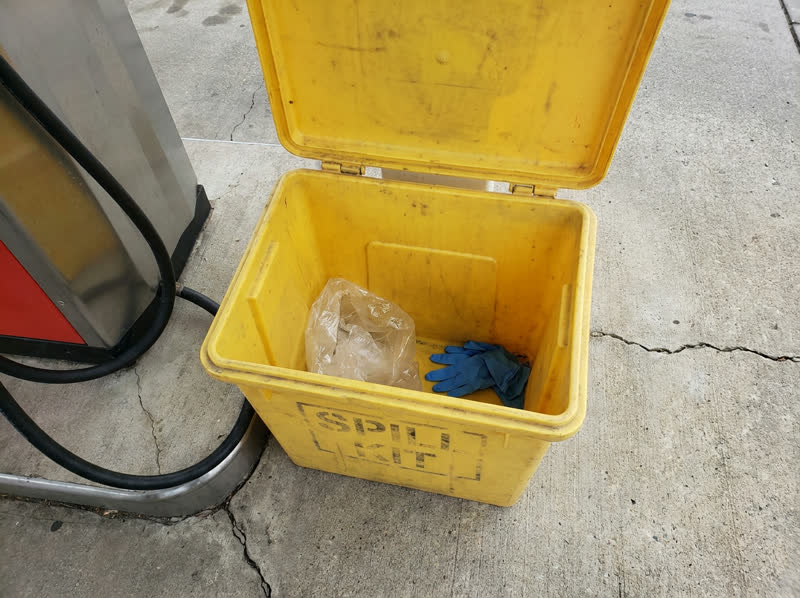
- Photo of each open spill kit: absorbent, pads, gloves and waste bagsTarget: All 4 items in every kit
- Price sign against the pump and the till, for every gradeTarget: Yes, all grades match · Critical
- Photo of the forecourt surface from the entry laneTarget: No fuel stain, litter or pooled water
- Hoses with cuts, bulges or exposed braidTarget: 0 · Critical
- Wet fuel on the ground under any pumpTarget: No · Critical
- Nozzles with a dripping spout or a failed automatic shut-offTarget: 0
- Breakaway couplings that are loose or weeping fuelTarget: 0 · Critical
- Pump displays with dead or dim digits, both sidesTarget: 0
- Litres shown on the pump for a full 10 litre test measure, each nozzleTarget: 10 litres, 50 ml short at most · Critical
- Pumps with a broken or missing calibration sealTarget: 0 · Critical
- Fills done per nozzle: slow, medium and fast flowTarget: 3 fills, result averaged
- Test fuel returned to the tank of the same grade and logged in litresTarget: Yes
- Seal on the test measure intact, recalibrated in the last 12 monthsTarget: Yes
- All pumps shut down at the emergency stopTarget: Yes · Critical
- Spill stopped at the source and small enough for the spill kitTarget: Yes, a minor spill · Critical
- Fuel reaching a drain or leaving the siteTarget: No · Critical
- Photo of the spill area with cones or tape around itTarget: Closed off on every side
- Running engines, smokers or phones in use inside the closed areaTarget: 0 · Critical
- Pump sumps with liquid inside when the panel is openedTarget: 0 · Critical
- Hoses, joints or vapour return fittings with a stain or a fuel smellTarget: 0
- Island bollards or kerb guards that are loose, bent or missingTarget: 0
- Potholes, cracks or loose covers on the forecourt surfaceTarget: 0
- Pumps with a faded pump number, grade label or octane labelTarget: 0
The whole station5 checklists · 43 checks
- Emergency stop pressed at the console: every pump shuts downTarget: Yes, every pump · Critical
- Extinguishers past their service date or out of the green, whole siteTarget: 0 · Critical
- Spill kits complete against the contents list, out of all kitsTarget: all kits complete
- Sand buckets that are empty, wet or missingTarget: 0
- Fire exits blocked, or locked so they cannot open from insideTarget: 0 · Critical
- Alarm status of the leak sensors in the pump sumpsTarget: no alarm · Critical
- Fuel sheen on the water at the last drain before it leaves the siteTarget: No · Critical
- Oil and silt alarm on the oil separator panelTarget: no alarm
- Forecourt drain channels blocked by silt or litterTarget: 0
- Used absorbent and oily rags outside the sealed oily waste binTarget: No
- Staff on shift who can point to the emergency stop and the spill kitTarget: all staff asked · Critical
- A person trained to receive a tanker delivery on every shift this monthTarget: Yes · Critical
- New starters who worked a shift before their safety inductionTarget: 0 · Critical
- Drill run this month: fire, spill, robbery or power failureTarget: Yes
- Robbery steps briefed: hand over, do not chase, call when safeTarget: Yes
- Photo of the main price sign from the road, after darkTarget: Every digit lit, face clean
- Staff in full uniform with a name badge, out of staff on shiftTarget: all staff on shift
- Canopy fascia panels that are cracked, faded or dirtyTarget: 0
- Photo of the store front and windows from the forecourtTarget: Clean glass, signs lit, no clutter
- Pump screens and nozzle handles wiped clean on every islandTarget: Yes
- Extinguishers serviced by the contractor, every tag in dateTarget: Yes · Critical
- Leak detectors and line sensors serviced in the last 12 monthsTarget: Yes · Critical
- Oil separator inspected by the contractor in the last 6 monthsTarget: Yes
- Separator integrity test dated within the last 5 yearsTarget: Yes
- Every pump meter calibrated and sealed, certificates in dateTarget: Yes
We build all 38 from your own SOPs.
See Scout run your stations.Starts with one 30-minute call.
On the call
- We open a playbook for fuel and convenienceArea by area, check by check.
- Scout runs one shift, liveThe task, the photo, the miss, the fix.
- You leave with a planWhich stations go first, and what Scout checks there.

ScoutQuick answers
Hi, I am Scout. Ask me how I would work in your business.